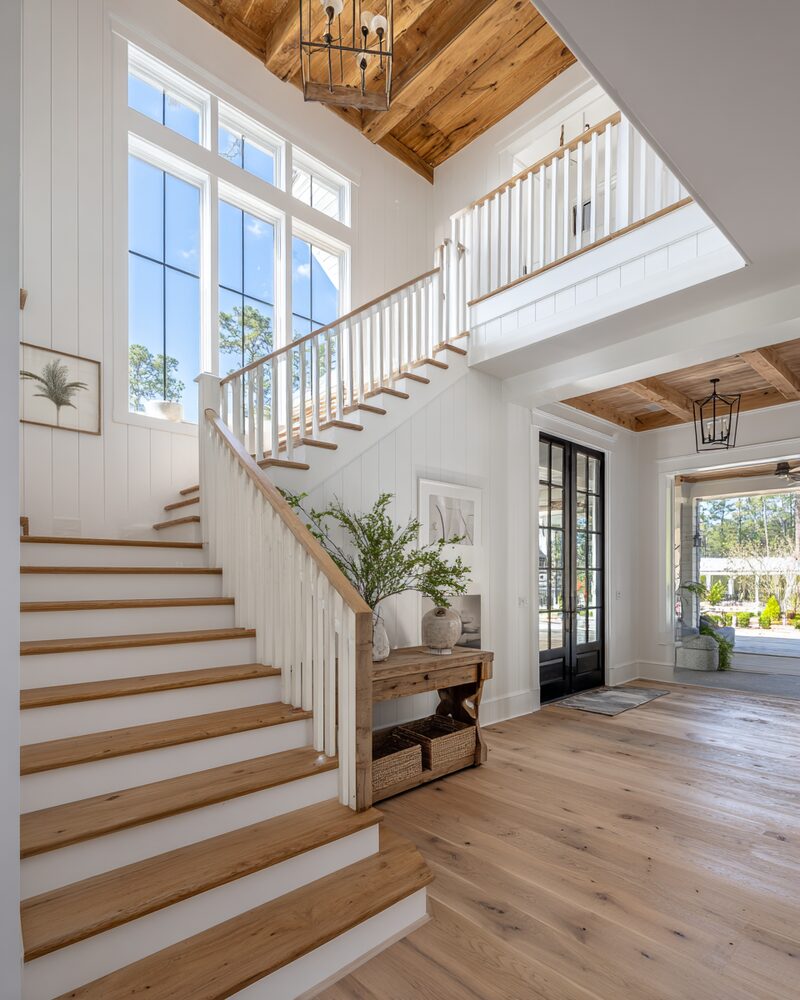
The Cherokee Bluff School District is one of the strongest drivers of local real estate activity, and understanding the specific school data that influences buyer behavior can give you a clear advantage whether you are buying or selling a home. This post breaks down which metrics matter, how they affect pricing and demand, and practical steps you can take right now to achieve your goals in this market.
School performance is more than a headline grade. Parents and investors look at test scores, student growth metrics, and class sizes because these numbers translate into perceived long term stability and resale value. Neighborhoods with consistent year over year improvements tend to attract long term buyers willing to pay a premium, while areas with volatile enrollment or declining performance may see slower appreciation.
Proximity and feeder patterns matter. Homes within walking distance of Cherokee Bluff schools or inside desirable feeder patterns frequently command faster sales and higher prices. For buyers, confirming which elementary, middle, and high schools serve a street before making an offer is essential. Sellers should highlight accurate school information in listings and open house materials to capture attention from families who prioritize convenience and logistics.
Enrollment trends and capacity impact supply and demand. Growing enrollment can suggest sustained future demand for nearby housing, while schools at or above capacity may limit appeal for some buyers unless expansion plans are in place. Check local school board meeting notes and district planning pages to see if new facilities or rezoning are planned—these are forward-looking signals that can affect neighborhood desirability.
Transportation, after school programs, and extracurricular offerings are often overlooked but powerful. Busy families evaluate bus routes, pickup procedures, and the availability of sports, arts, and STEM programs when choosing a neighborhood. Sellers who document proximity to key programs and share schedules and participation rates provide practical value to prospective buyers and set their listing apart.
How interest rates and buyer preferences interact with school-driven demand. In times of higher mortgage rates buyers who care about schools may prioritize smaller moves within the district rather than long distance relocations. Conversely, when rates are low and inventory is tight, homes in top Cherokee Bluff neighborhoods can see multiple offers and accelerated timelines. Both buyers and sellers should work from current financing scenarios to form realistic expectations about competition and pricing.
Actionable steps for buyers: get preapproved, map school boundaries, and confirm transportation and program details. Use a local agent who tracks boundary shifts and school board developments so you are not surprised after closing. Consider resale potential as well as immediate lifestyle fit—homes in stable school catchments often hold value better through market cycles.
Actionable steps for sellers: price with school-driven demand in mind, stage rooms to appeal to families, and assemble school-focused marketing materials. Include accurate details about assigned schools, recent district achievements, and neighborhood logistics in the listing description and buyer packets to shorten days on market and improve offer quality.
Data-driven pricing gives sellers confidence and helps buyers make smarter offers. Combining comparable sales with school performance and attendance zone intelligence creates a more precise valuation than using comps alone. Both sides benefit from a local expert who can interpret the numbers and advise on timing, concessions, and offer structure tailored to Cherokee Bluff neighborhoods.
For up
