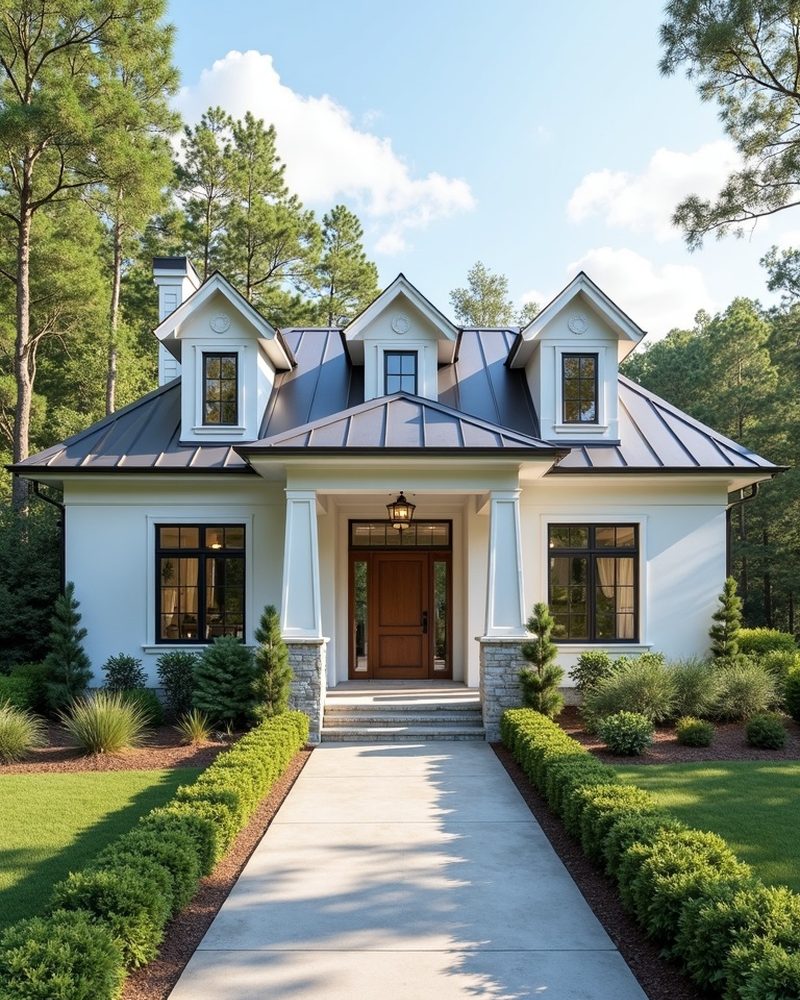
The Cherokee Bluff School District is more than a line on a map. For buyers and sellers it is a powerful signal that shapes demand, pricing, and long term resale prospects. Whether you are shopping for your first family home, upsizing for more space, or preparing a house to sell, understanding how school zones and nearby amenities interact with neighborhood-specific features will give you a practical edge in today's market and for years to come.
Why school zones still drive buyer decisions in Cherokee Bluff School District
School boundaries concentrate buyer interest. Families often search by school name or attendance zone first, then by neighborhood. That concentrated demand can produce price premiums on well-located blocks and create faster sales cycles during typical family-moving windows. Even buyers without school-aged children pay attention: good schools signal community investment, smart zoning, and stable enrollment patterns that help protect long term value.
How to evaluate a block beyond the school name
Don't stop at the school label. Compare the blocks within each zone by looking at:
- Proximity to drop off points and intersection safety, especially for elementary school routes.
- Walkability to parks, libraries, and after school program locations that reduce weekday driving.
- Street level features like sidewalks, front-porch orientation, and curb appeal that matter to families.
- Small traffic patterns and cut-through streets that affect daily commute stress.
These micro differences can change buyer preference even inside the same attendance zone.
Local amenities that actually matter to buyers in Cherokee Bluff
Buyers consistently prioritize a short list of amenities that support school life: reliable after school care, accessible youth sports fields, nearby study or tutoring options, and cafes or co-working spots for parents who work flexible schedules. When you list a home, highlight real proximity details — drive times to practice fields, nearest school bus stops, and community centers — because those concrete facts are what searchers type into search engines.
Features that help homes sell faster and hold value
Inside the house, focus on practical resale-proof features: a functional mudroom or drop zone, flexible bedroom layouts, an easy-to-maintain yard, and smart home safety features. Minor updates targeted at family life — durable flooring on entryways, updated laundry rooms, or a study nook — often yield stronger returns than cosmetic upgrades that only appeal visually.
Timing moves around the school calendar for less stress and better offers
There are predictable windows when families are most active: late spring for a summer move; late summer/early fall for last-minute transfers; and winter for motivated sellers. If you are selling, listing a bit earlier in those windows and being flexible on closing dates to match a family timetable can broaden your buyer pool. If you are buying, searching slightly off-peak or being ready with a strong pre-approval can land you a better home at a better price.
How to read school performance and community signals without overreacting
School performance metrics matter, but context matters more. Look at enrollment trends, feeder
